
Dry Eye Treatment in King

Dry Eye Diagnosis & Treatment in King
Find relief from dry, itchy, irritated eyes
Dry eye may start off feeling like a minor inconvenience. However, if your eyes are constantly stinging, tearing up, burning, or feeling gritty, and over-the-counter eye drops are no longer providing sufficient relief, you may need professional treatment. Without the right treatment, dry eye disease can lead to long-term issues such as blurry vision, frequent infections, and lasting damage to the surface of your eyes. Dry eyes can be more than just uncomfortable; it’s often a chronic condition that requires advanced care and solutions.
At Magnolia Eye Care, we offer cutting-edge dry eye treatment in King to help you feel better sooner. Our caring, experienced dry eye doctors combine state-of-the-art technology with personalized care to treat the root causes of dry eye. Whether your symptoms are mild or severe, we can help you find lasting relief.
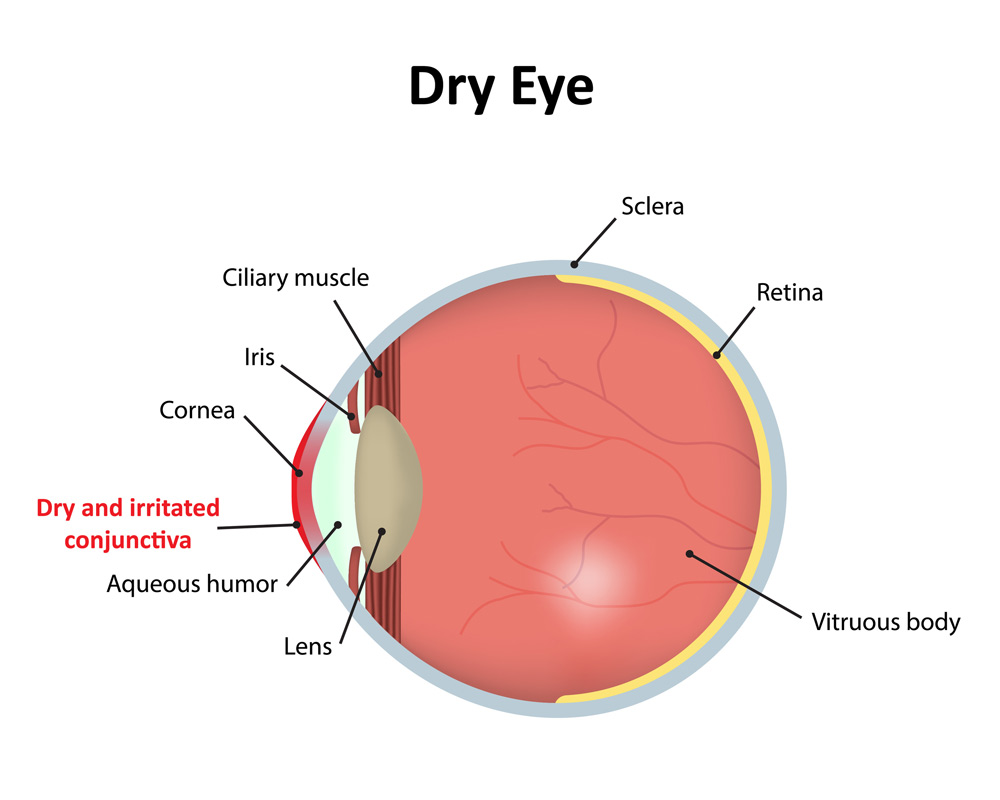
What is dry eye disease?
Dry eye disease happens when your eyes either don’t make enough tears or your tears aren’t doing their job well enough. Healthy tears are essential for clear vision and everyday comfort. They keep your eyes moist, flush out debris, and protect the surface of your eye. When that delicate tear film breaks down, your eyes can become inflamed, irritated, and vulnerable to more serious issues.
Severe dry eye symptoms
When dry eye gets more severe, it can significantly impact your day-to-day life. You might notice:
- Intense burning or stinging
- Persistent redness and irritation
- A constant gritty or sandy feeling
- Blurry or fluctuating vision that doesn’t improve with blinking
- Watery eyes (yes, that’s a dry eye symptom too!)
- Light sensitivity
- Eye fatigue, especially with screen time
- Pain or discomfort while wearing contact lenses
If these symptoms sound familiar, your dry eye may have progressed to a point where expert care is needed. At Magnolia Eye Care, our optometrist will get to the root of what’s causing your discomfort and develop a personalized treatment plan to bring you relief and protect your vision.
Dry eye causes
Dry eye is often a complex issue with multiple contributing factors rather than a single cause. For example, your dry eye symptoms could be caused by any of the following:
- Meibomian gland dysfunction (MGD): These tiny glands in your eyelids produce the oily layer of your tears. When these glands get clogged, not enough oil reaches the eye surface, leading to dry eyes.
- Blepharitis: This is a common condition that causes your eyelids to become inflamed, often due to bacteria or buildup along the lash line, which can disrupt healthy tear production.
- Other contributors include aging, long hours of screen time, wearing contact lenses for extended periods or the wrong type of contacts, hormonal changes, certain medications, and medical conditions such as Sjögren’s syndrome.
Our dry eye treatment options
Our experienced dry eye specialists focus on treating the underlying cause of your symptoms to provide effective, long-term relief. Depending on what’s causing your symptoms, your care may include prescription eye drops for dry eyes to soothe inflammation and boost natural tear production, oral supplements, or lifestyle adjustments such as improving screen-time habits, staying hydrated, or practicing good eyelid hygiene.
We also offer the following in-office dry eye treatments:
OptiLight IPL Therapy by Lumenis
OptiLight by Lumenis is the first and only intense pulsed light (IPL) therapy FDA-approved for managing dry eye disease due to meibomian gland dysfunction.
Low Level Light Therapy (LLLT)
Unlike artificial tears that only provide temporary relief, low level light therapy for dry eyes addresses the underlying causes of dry eyes, specifically meibomian gland dysfunction and inflammation.
Shop from over 400 doctor-approved dry eye products
At Magnolia Eye Care, we’ve partnered with Dry Eye Rescue to make it easy for you to access eye doctor-approved dry eye products from the comfort of your home. From gentle lid hygiene solutions to high-quality lubricating eye drops and eye-safe cosmetics, Dry Eye Rescue offers a wide selection of professional-grade products our team recommends.
Use the coupon code magnolia for a 20% discount.
Schedule a dry eye exam in King
If you’re struggling with dry, irritated eyes, you don’t have to live with the discomfort. Our optometrists have the experience, technology, and dedication to help you get back to seeing clearly and comfortably. Schedule an appointment for dry eye treatment in King today.
Can dry eye cause blurry vision?
Yes, dry eye can absolutely cause blurry vision. When your tears don’t keep the surface of the eye smooth and hydrated, the vision fluctuates—often getting blurrier as the eyes dry out and clearing up after blinking.
Can dry eye cause headaches?
Yes, dry eye can cause headaches. The eyes have to work harder when they feel irritated, tired, or strained. This extra effort—especially during reading, computer work, or driving—can trigger tension headaches in some people.
Can dry eye cause blindness?
In most cases, no, dry eye does not cause blindness. However, severe, untreated dry eye can damage the cornea over time, which can lead to vision loss in rare cases. Keeping dry eye well-managed prevents this from happening.
Can dry eye cause floaters?
No, dry eye does not cause floaters. Floaters come from changes in the gel inside the eye (the vitreous), not from the surface of the eye. However, dry eye can make you more aware of floaters because your vision may fluctuate or feel “off,” but it does not create or worsen them.
What does dry eye look like?
Dry eye can look like redness of the eyes or watery eyes, and the doctor may observe tiny dry spots on the cornea during an examination.
People will often feel burning, stinging, a sandy/gritty sensation, light sensitivity, and blurred or fluctuating vision.
Can dry eye cause eye pain?
Dry eye can definitely cause eye pain. When the surface of the eye becomes too dry or irritated, the nerves become more sensitive. This can lead to burning, stinging, aching, or sharp pain, especially with blinking, screen use, or being in dry environments.
Can dry eye cause double vision?
Yes—but only temporary double vision. Dry eye can cause intermittent or fluctuating double vision because the tear film becomes uneven. This makes the image blur or “ghost,” especially when reading or using screens.
Can dry eye cause eye twitching?
Yes—indirectly. Dry eye can contribute to eyelid twitching (myokymia) because irritation, strain, and fatigue of the eye make the eyelid muscles more reactive. It’s harmless, usually temporary, and often improves once the dryness is treated.
Can dry eye be cured?
Not usually—but it can be very well controlled. Most dry eye is a chronic condition, meaning it doesn’t go away permanently. But with the right treatment, symptoms can be reduced to the point that many people feel almost normal.
Can dry eye cause light sensitivity?
Yes, dry eye can definitely cause light sensitivity (photophobia). When the surface of the eye is dry or irritated, the cornea becomes more sensitive, so bright lights, sunlight, and screens can feel uncomfortable or even painful.
Can dry eye cause dizziness?
Dry eye itself doesn’t cause true dizziness, but the blurry, fluctuating vision it creates can make some people feel off balance, light-headed, or “woozy,” especially with reading or screen use. If dizziness is constant or severe, it’s usually from something other than dry eye and should be evaluated.
Can dry eye affect your vision?
Yes, dry eye can definitely affect your vision. When the tear film is uneven or unstable, the surface of the eye becomes irregular. This causes blurry, fluctuating, or filmy vision, especially during reading, computer use, or toward the end of the day. Vision usually improves after blinking or using artificial tears.
Can dry eye cause styes?
Yes—indirectly. Dry eye doesn’t directly cause styes, but the same issues that lead to dry eye (like blocked or inflamed oil glands in the eyelids) can also increase the risk of styes. When the meibomian glands don’t work well, oil backs up, bacteria build up, and a stye can form. Keeping the lids clean and treating dry eye helps reduce stye risk.
Can dry eye cause redness?
Yes, dry eye often causes redness because the surface of the eye becomes irritated and inflamed when it doesn’t have enough moisture. The blood vessels on the white part of the eye (the sclera) become more visible, making the eyes look red or bloodshot.
Can dry eye affect only one eye?
Dry eye can absolutely affect just one eye. This can happen if one eye has a different eyelid or gland function, more screen exposure (dominant eye), a history of surgery or injury, a habit of sleeping more on one side,. It’s common and not usually a concern—but it’s still treated the same way.
Are dry eyes itchy?
Yes, they can be. Dry eyes often feel itchy, especially when the surface of the eye becomes irritated or the tear film is unstable. However, itching is even more common in allergies, so if itching is the main symptom, allergies may also be playing a role.
What causes dry eye after LASIK surgery?
Dry eye after LASIK is very common and happens for a few main reasons:
1. Temporary nerve disruption
LASIK creates a flap in the cornea, which cuts some of the nerves that tell your eye to produce tears. With fewer signals, the eyes make fewer tears for a while.
2. Changes in the tear film
Surgery can alter how the tears spread across the eye, making the surface dry out faster.
3. Inflammation from healing
After LASIK, mild inflammation can reduce tear production temporarily.
4. Pre-existing dryness
If someone had dry eye before surgery, LASIK can make it more noticeable.
Dry eye after LASIK is usually temporary and improves within weeks to months, though some people need longer-term treatment.